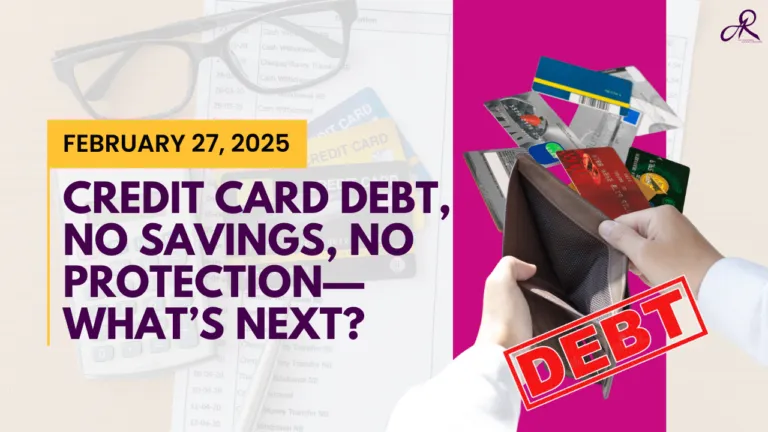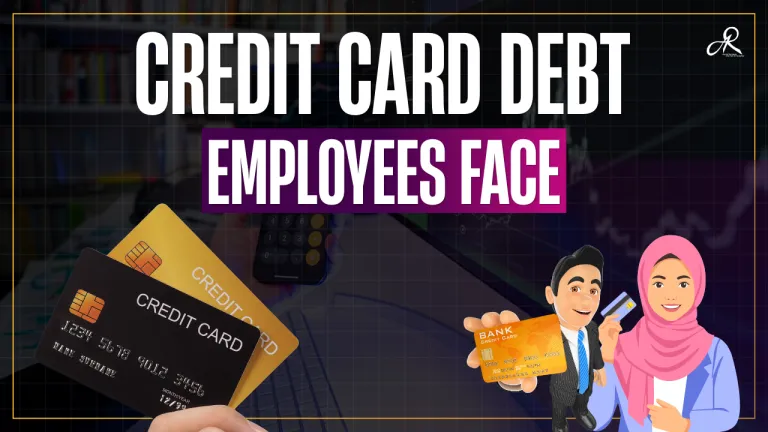
Malaysian debt management becomes critical the moment your income stops.
Nobody plans to lose their income. But the bills that follow don’t care about your plans.
Malaysia’s household debt stood at RM1.65 trillion as of March 2025 equivalent to 84.3% of the nation’s GDP, one of the highest ratios in the ASEAN region. TheSun [Source: The Sun Malaysia] That number sounds abstract until it’s your credit card statement sitting unpaid on the table. And with over 53,000 Malaysians aged 30 and below carrying nearly RM1.9 billion in debt IBPO [Source: IBPO / AKPK 2024], this is not a problem reserved for older workers. It cuts across every age group, every income bracket.
When the salary stops, panic sets in fast. Here’s how to think clearly and take back control.
Malaysian Debt Management
Step One: Know Exactly What You Owe
Before you do anything else, write it all down. Every loan. Every credit card. Every BNPL balance. Every outstanding bill. Most people carry a rough idea of their debt in their head but a rough idea won’t help you make decisions.
Once everything is on paper, sort it by interest rate highest to lowest. Your credit card at 18% per year is costing you far more than your car loan at 3.5%. That gap is where financially educated people focus first.
Household debt in Malaysia is dominated by housing and car loans, but personal financing and credit cards carry significantly higher effective rates Press and that spiral fastest when income stops. [Source: Press.com.my] Understanding that difference is the first thing debt management teaches you.
Step Two: Prioritise What Matters Most
Not all debt deserves equal attention when money is tight. This is one of the most important things personal finance educations gets right and most Malaysians were never taught it.
This is where Malaysian debt management becomes strategic.
Housing loan first. Losing your home is the worst financial outcome. Protect it before anything else.
Car loan second especially if transport is what gets you to job interviews or freelance work. Losing mobility during an income disruption compounds the problem.
Credit cards and personal loans third. Painful for your credit score if unpaid, but they will not put you on the street.
BNPL and lifestyle debt last. The notifications feel urgent. The financial priority is not.
Knowing how to rank your obligations is not instinct. Knowledge and knowledge like this should be taught before people ever find themselves in this position.
The Conversation Most Malaysians Avoid
Financial literacy teaches one thing above everything else: awareness removes fear.
Most Malaysians avoid talking about debt because they don’t fully understand it. They don’t know what questions exist, what their position looks like on paper, or what options are generally available to them. That avoidance is expensive. This is where Malaysian debt management breaks down.
The earlier you understand your financial position, what you owe, to whom, at what rate the more room you have to act.
Options shrink with time, not with debt size. A person who understands their numbers in month one has far more choices than someone who avoids looking until month six. That is not a matter of income. That is a matter of financial awareness.
This is precisely why financial literacy needs to be fundamental knowledge, not something Malaysians pick up in a crisis, but something they carry with them long before one arrives.
Understanding Your Real Options
When income stops, it helps to understand the landscape clearly rather than react emotionally. Malaysian debt management requires clarity.
Restructuring and consolidation options exist in Malaysia through banks, licensed financial institutions, and government-backed counselling services. Always compare the effective interest rate and total repayment over the full tenure before making any consolidation decision flat rates can appear far cheaper than they actually are. Press
This is where financial education makes a real difference. A person who understands how interest works, how loan tenures affect total repayment, and how to read a financial product properly makes better decisions under pressure. They don’t sign things they don’t understand. They don’t confuse a lower monthly payment with a cheaper loan.
The difference between people who recover from income disruption quickly and those who don’t is rarely the size of the debt. It is almost always whether they understood their options clearly enough to act early.
What Not To Do
Do not borrow from unlicensed lenders. No matter how desperate things feel, this creates a debt situation designed to be impossible to escape.
Do not make minimum credit card payments and assume you’re managing it. At 18% annual interest, minimum payments mostly service the interest the principal barely moves. Most Malaysians don’t know this because nobody taught them.
Do not avoid your bank statements. What you don’t measure, you cannot manage. Financial literacy starts with knowing your numbers even when those numbers are uncomfortable.
This Is Why Financial Literacy Is Fundamental
Debt management is not a crisis skill. It is a foundational life skill that every Malaysian should have long before they ever need it before the job loss, before the pay cut, before the emergency.
The Malaysians who navigate income disruption best are not the ones who earn the most. They are the ones who understood how debt works before it became a problem. They built their financial cushion early. They knew how to read the situation clearly when it mattered most.
That knowledge is not complicated. It is not reserved for the wealthy or the financially trained. It is learnable by anyone, at any stage of life.
That is exactly what financial education is for. And that is exactly why it cannot be an afterthought.
If you are unsure where to start, understanding employee financial stress in Malaysia can give you a clearer picture of how financial pressure builds over time.
Sources: The Sun Malaysia · Bank Negara Malaysia · RinggitPlus · Press.com.my · IBPO Malaysia