Malaysians losing jobs is no longer a distant concern.
The numbers don’t lie and this time, they hit close to home.
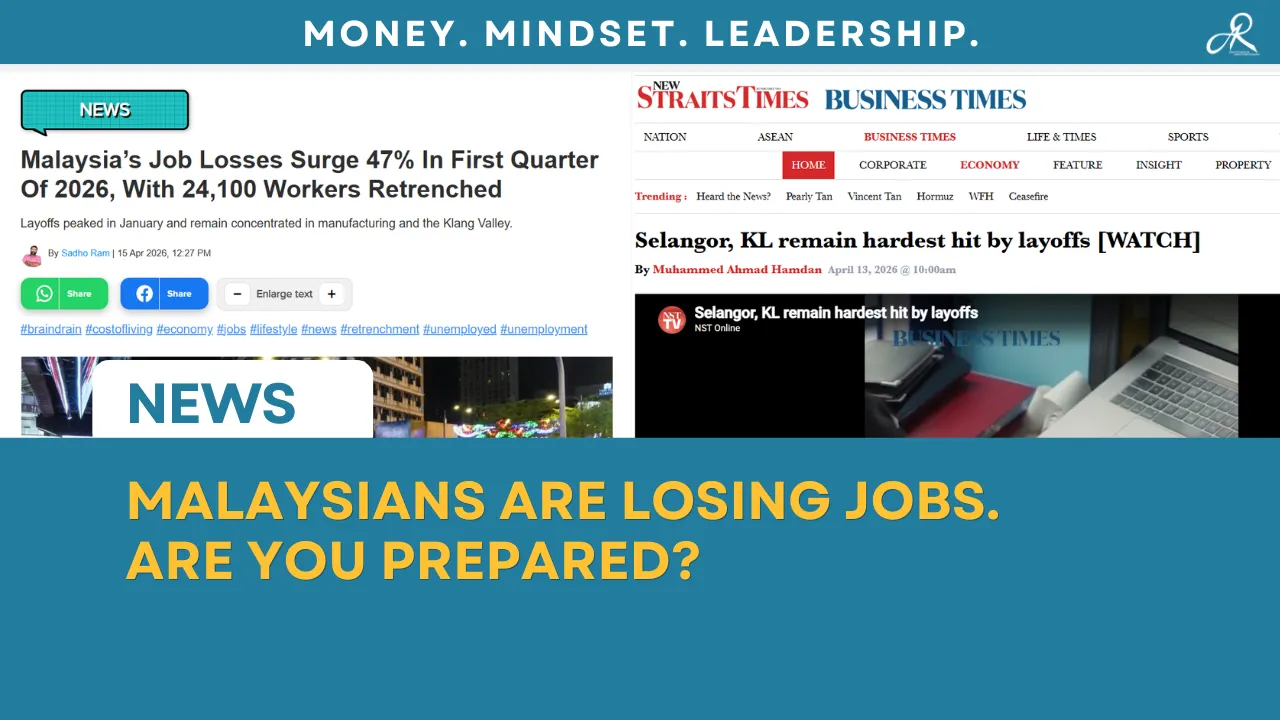
In just the first quarter of 2026, Malaysia recorded 24,100 workers retrenched. January alone saw 10,700 job losses, the highest single month spike in recent memory before easing to 7,500 in February and 5,900 in March. That’s not a blip. That’s a pattern. And compared to Q1 2025, when roughly 16,500 workers were retrenched in the same three-month period, we’re looking at a 47% surge in job losses year-on-year.
If you think this doesn’t affect you, think again.
Malaysians losing jobs today are not limited to one sector or income group.
Which Malaysians Are Losing Jobs the Most
Layoffs are heavily concentrated in manufacturing, wholesale and retail trade, and the information and communication sectors. The Klang Valley- our economic heartbeat is leading the numbers. Hong Leong Investment Bank described manufacturing as the most exposed to job cuts, citing its heavy reliance on global trade and external demand shocks.
This isn’t random. When global trade tensions rise, Malaysia feels it fast because our economy is deeply plugged into export markets. The current wave of retrenchments reflects a period of adjustment as global conditions become more uncertain, and export-driven sectors remain vulnerable to external shocks in the months ahead.
The worker crosses the Johor-Singapore border every morning. The warehouse operator in Shah Alam. The logistics coordinator in Petaling Jaya. These are real people, not statistics.
Malaysians Losing Jobs Face an Immediate Financial Crisis
Here’s the uncomfortable truth: most Malaysians are one paycheck away from serious trouble. Research has consistently shown that retrenched workers struggle to survive the rising cost of living and in today’s economic climate, that struggle begins immediately.
Most households in Malaysia run on dual incomes for a reason. When one income disappears overnight, rent doesn’t wait. Loan installments don’t pause. School fees don’t disappear. The financial shock hits within weeks- sometimes days.
What most people don’t have: an emergency fund covering three to six months of expenses. What most people do have: car loans, housing loans, BNPL debts, and credit card balances they were slowly managing until suddenly they weren’t.
If you still have your job right now, this is your reminder to start building that cushion. Not tomorrow. Now. Cut one unnecessary subscription. Redirect that money. It’s not about being dramatic, it’s about being practical.
The Mental Health Impact Nobody Wants to Admit
Many Malaysians losing jobs struggle not just financially, but emotionally.
Losing a job doesn’t just hurt your bank account. It hurts your identity.
Research conducted in Malaysia found that both unemployment and the financial strain that followed retrenchment had a direct negative effect on the mental health and wellbeing of workers. Anxiety. Depression. A loss of self-worth that doesn’t show up on any retrenchment letter.
The numbers back this up. Malaysia’s National Health and Morbidity Survey 2023 estimated that approximately one million Malaysians aged 16 and above are experiencing depressive symptoms, double the prevalence reported in 2019 with a substantial proportion reporting suicidal ideation.
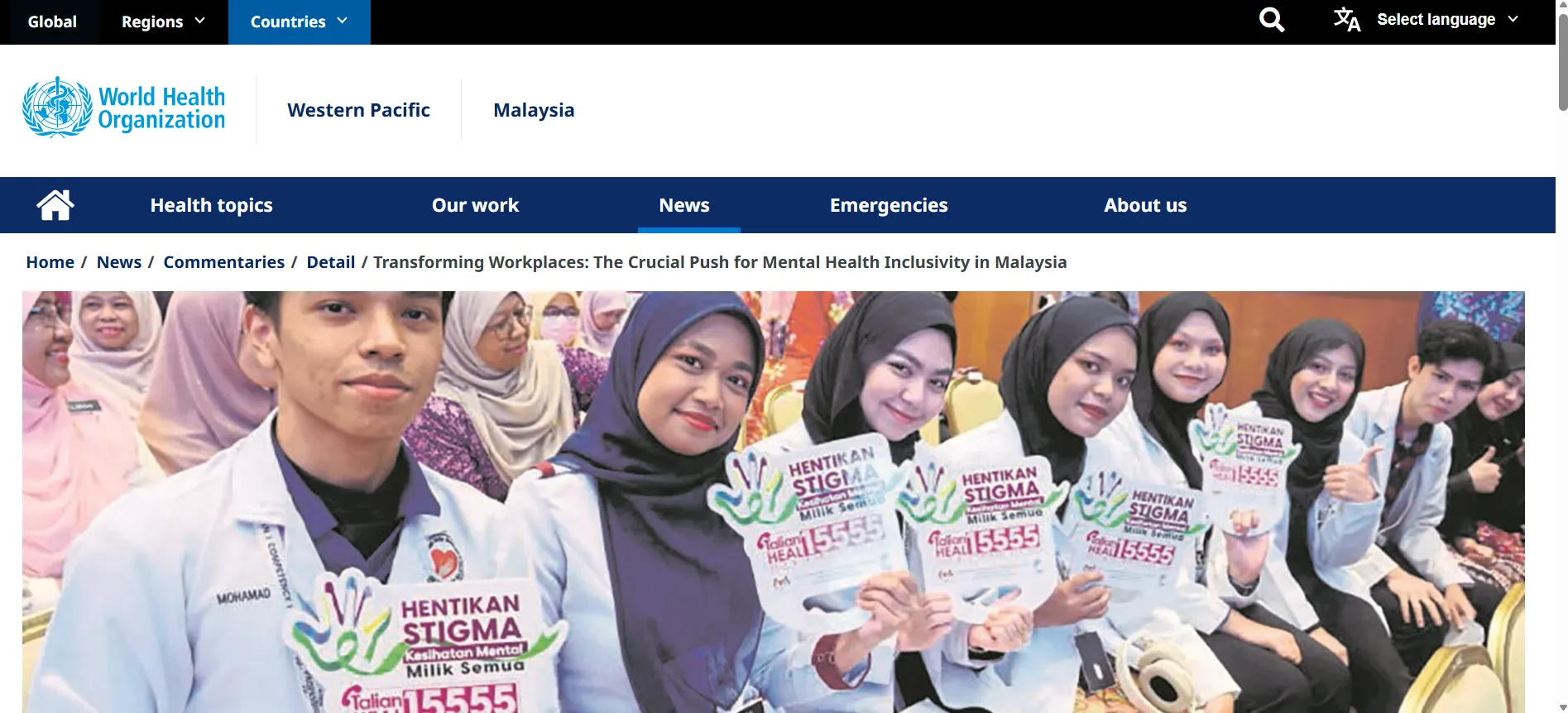
And yet, the stigma associated with mental illness remains prevalent, and has led many retrenched workers to avoid seeking psychological support altogether. People suffer quietly because they think asking for help makes them look weak. It doesn’t. It makes them smart.
If you’ve been retrenched, talk to someone. A friend, a family member, a counsellor. SOCSO’s Employment Insurance System (EIS) also provides career assistance. You paid into it for a reason.
What Employers Must Do When Malaysians Are Losing Jobs
As Malaysians losing jobs increases, employers play a critical role in how this transition is handled.
If you’re on the employer side of this, how you handle retrenchment says everything about the kind of company you run.
Cutting people loose without proper notice, honest communication, or severance support doesn’t just damage the person leaving, it destroys the trust of everyone who stays. Your remaining team is watching how you treat their colleagues. They will not forget it.
Workers reported that mental health support, financial guidance, and career transition support were the three most important things they needed after retrenchment. These aren’t luxuries. They’re basic decency. Outplacement services, extended medical coverage, and even a simple reference letter cost very little but they mean the world to someone starting over.
For every dollar invested in employee mental health and wellbeing, the WHO estimates a four-dollar return in improved health and productivity. The business case is already there. The human case should be enough.
How to Protect Yourself Now
Whether you’re employed or job hunting right now, here’s what actually helps:
Build your emergency fund. Aim for three to six months of expenses starting with whatever you can manage, even RM200 a month beats nothing.
Update your skills continuously. Malaysia is transitioning toward a knowledge-based economy, and automation is replacing manual and repetitive jobs creating a skills mismatch where some roles disappear while others go unfilled. The people who stay employable are the ones who keep learning.
Don’t ignore your mental health. Job loss is a grief process. Give yourself permission to feel it but also seek help.
Know your rights. Under the Employment Act, retrenched workers are entitled to termination benefits. SOCSO’s EIS provides job loss allowance, career counselling, and job placement support. Claim what you’re entitled to.
The Bigger Picture for Malaysians Losing Jobs
Job vacancies in Malaysia rose to 107,000 in March 2026, up from 96,500 the month before which tells us the economy hasn’t collapsed. Jobs exist. The challenge is the mismatch between where jobs are disappearing and where they’re being created.
The global crisis isn’t fully in anyone’s control. But how we prepare financially, mentally, professionally-absolutely is. The workers who come out the other side aren’t the lucky ones. They’re the ones who planned ahead, stayed adaptable, and didn’t face it alone.
Start preparing before you need to. That’s the only advice that actually matters.
For organisations, supporting employees through financial stress is no longer optional. It is part of responsible leadership.
Learn more: Employee Financial Stress in Malaysia: What Directors Need to Know
*Sources: SAYS.com, Hong Leong Investment Bank (HLIB), SOCSO, National Health and Morbidity Survey 2023, World Health Organization, Heriot-Watt University Malaysia*